
Science
Share this page
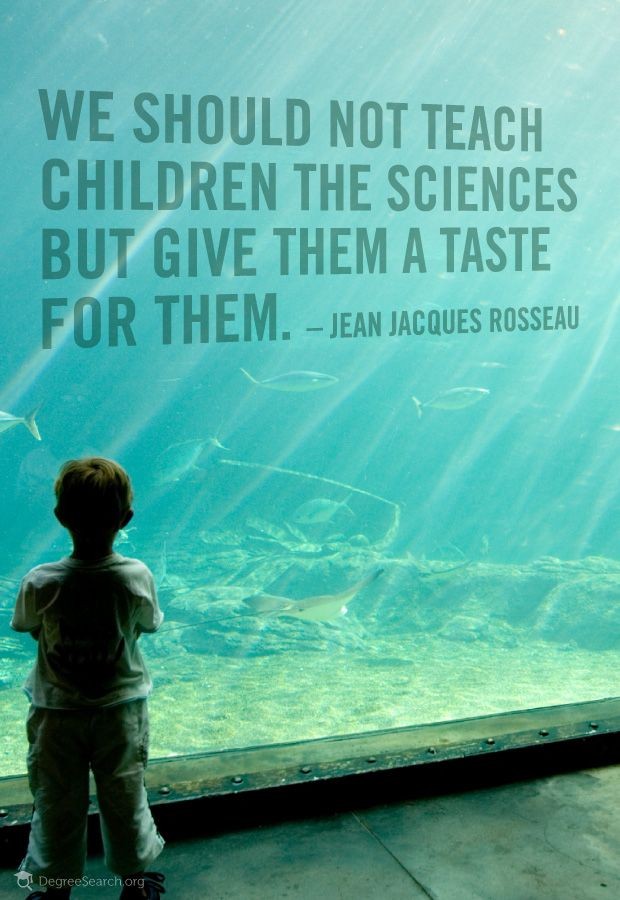

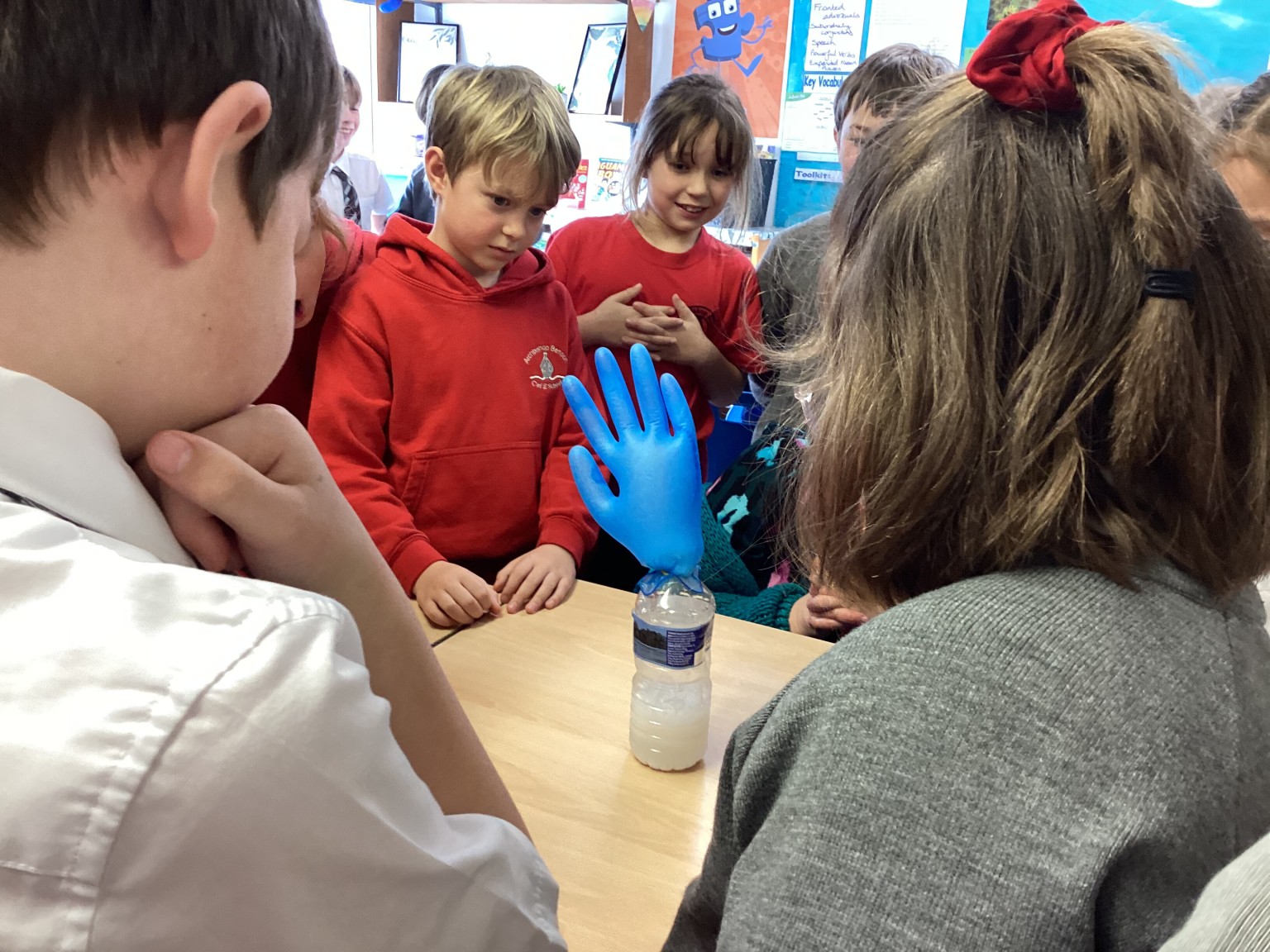
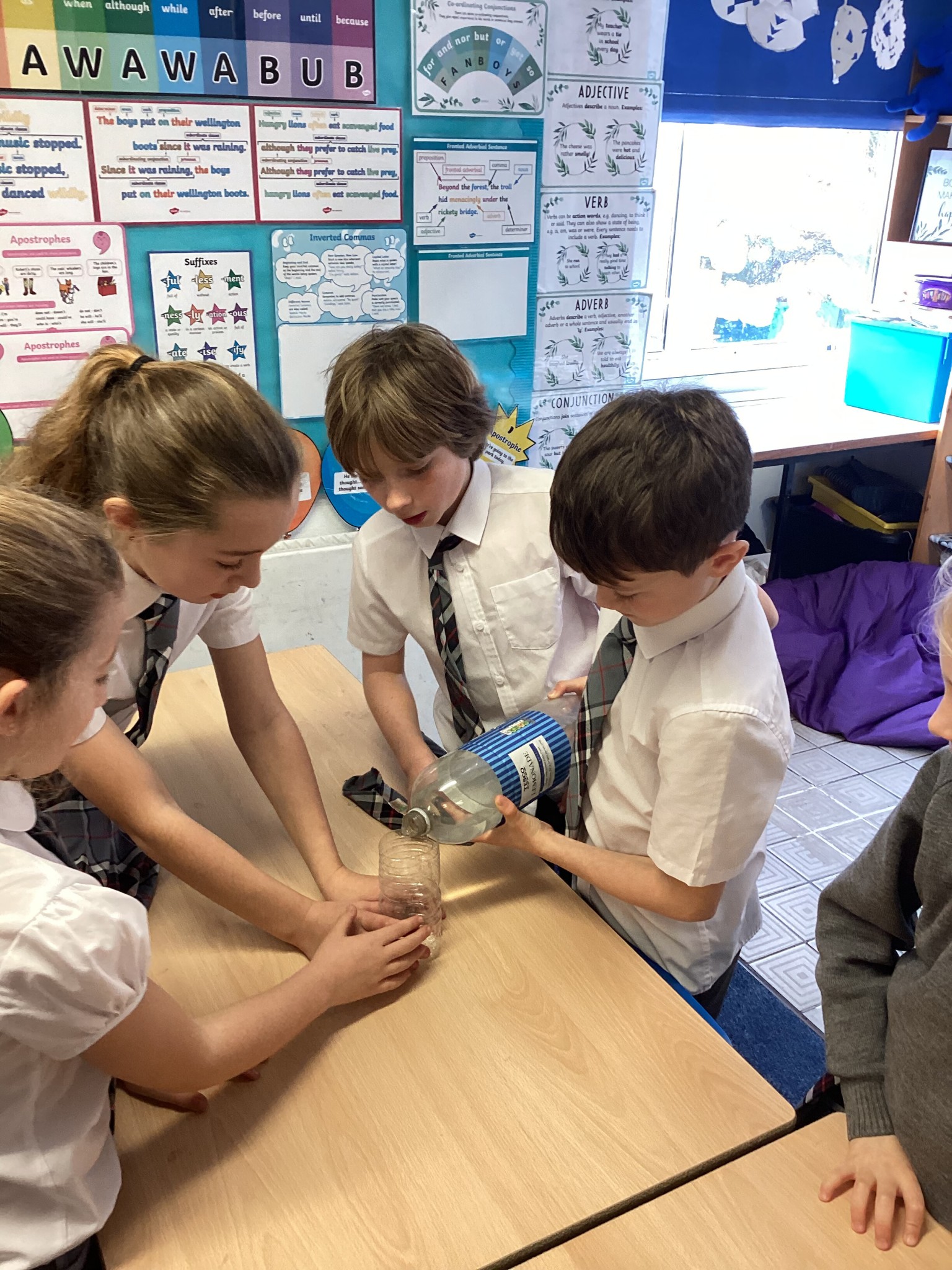
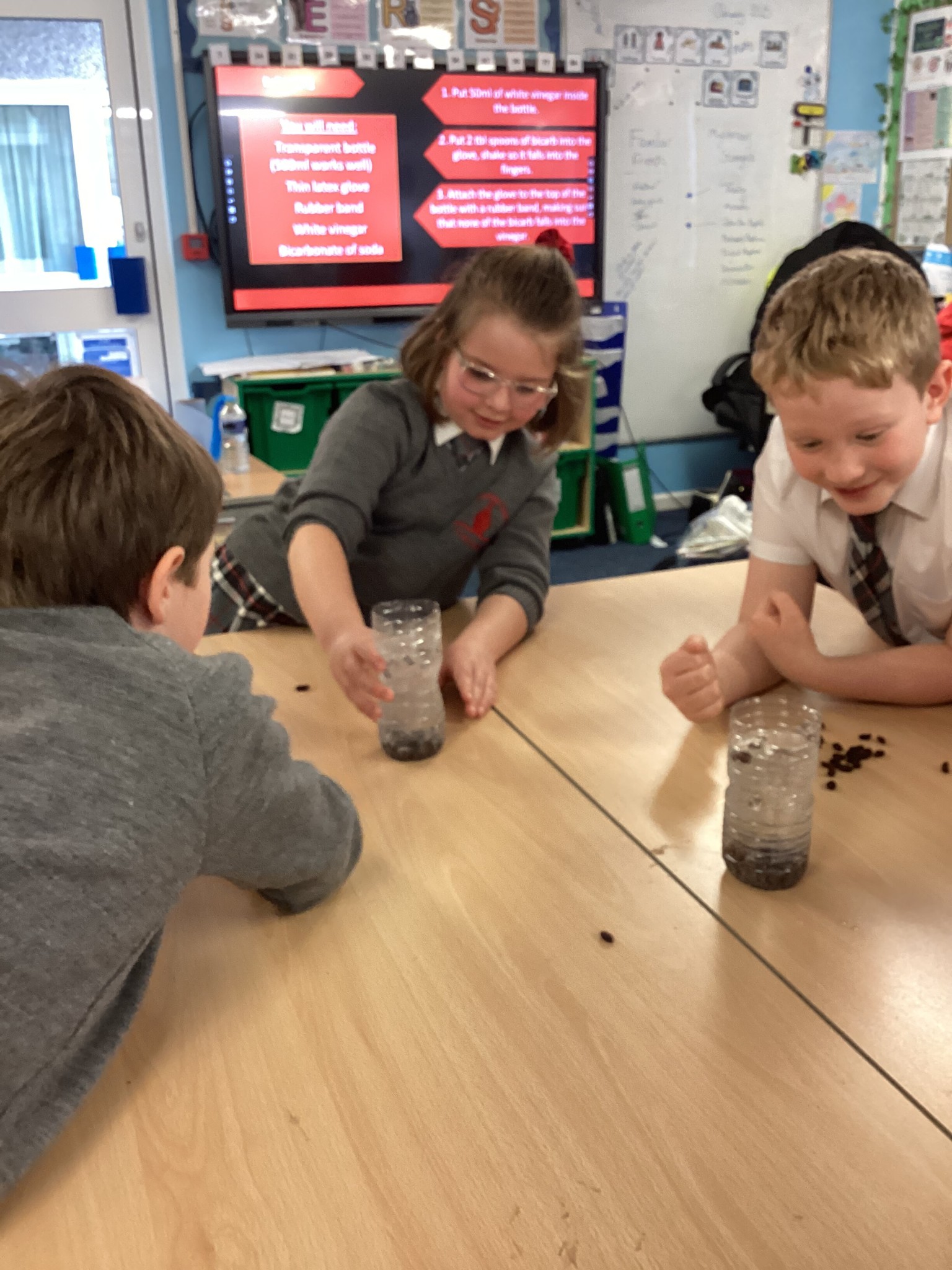
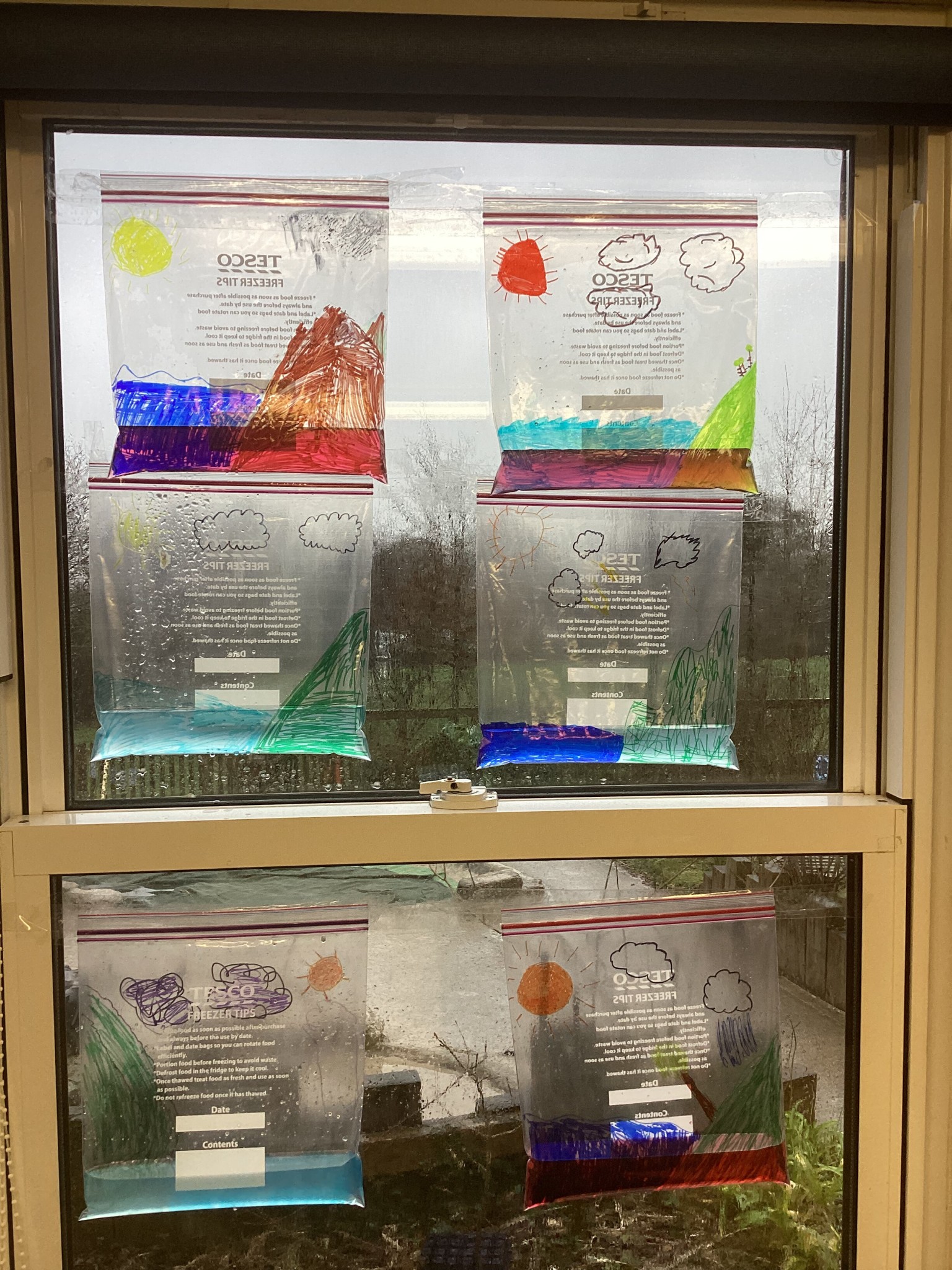
Science Intent at Archbishop Benson C of E School
‘I can do all things through Him who strengthens me’ (Philippians 4:13)
‘With fun and learning, hand in hand, all things are possible.’
At Archbishop Benson, we strive to ensure that every child sees themselves as a scientist - curious, questioning and continually inspired by the wonders of the world around them. Our Science curriculum is carefully designed in line with the National Curriculum for England and aims to foster a lifelong love of learning, enquiry and discovery.
Intent
Our intent is to provide a high-quality Science education that develops children’s understanding of the world through the disciplines of biology, chemistry and physics. We aim to:
- Ignite curiosity about natural phenomena and events in the world around them.
- Equip pupils with secure substantive knowledge of living things, materials and physical processes.
- Develop disciplinary knowledge through “Working Scientifically” skills, including observing, questioning, predicting, testing, analysing and evaluating.
- Enable pupils to understand the relevance of science in everyday life, personal health, environmental responsibility and future global challenges.
- Build confident communicators who can articulate scientific ideas clearly using precise, subject-specific vocabulary.
- Encourage respect for living organisms, the environment and the impact of science on society
Through engaging, practical experiences both inside and outside the classroom, we aim to ensure children’s curiosity is satisfied with meaningful, memorable learning.
Implementation
Science at Archbishop Benson is taught through the Plymouth Science scheme, that incorporates carefully sequenced units that build progressively from year to year, ensuring knowledge and skills deepen over time. Each unit is centred around a cross-curricular key enquiry question, promoting meaningful links across subjects such as Geography, Design and Technology and Maths.
Our implementation includes:
- Progressive Knowledge and Skills: Clear progression in substantive knowledge (biology, chemistry, physics) and disciplinary knowledge (Working Scientifically).
- Enquiry-Based Learning: Every topic includes a strong “Thinking Scientifically” focus, where children plan investigations, carry out fair tests, gather evidence, and evaluate results.
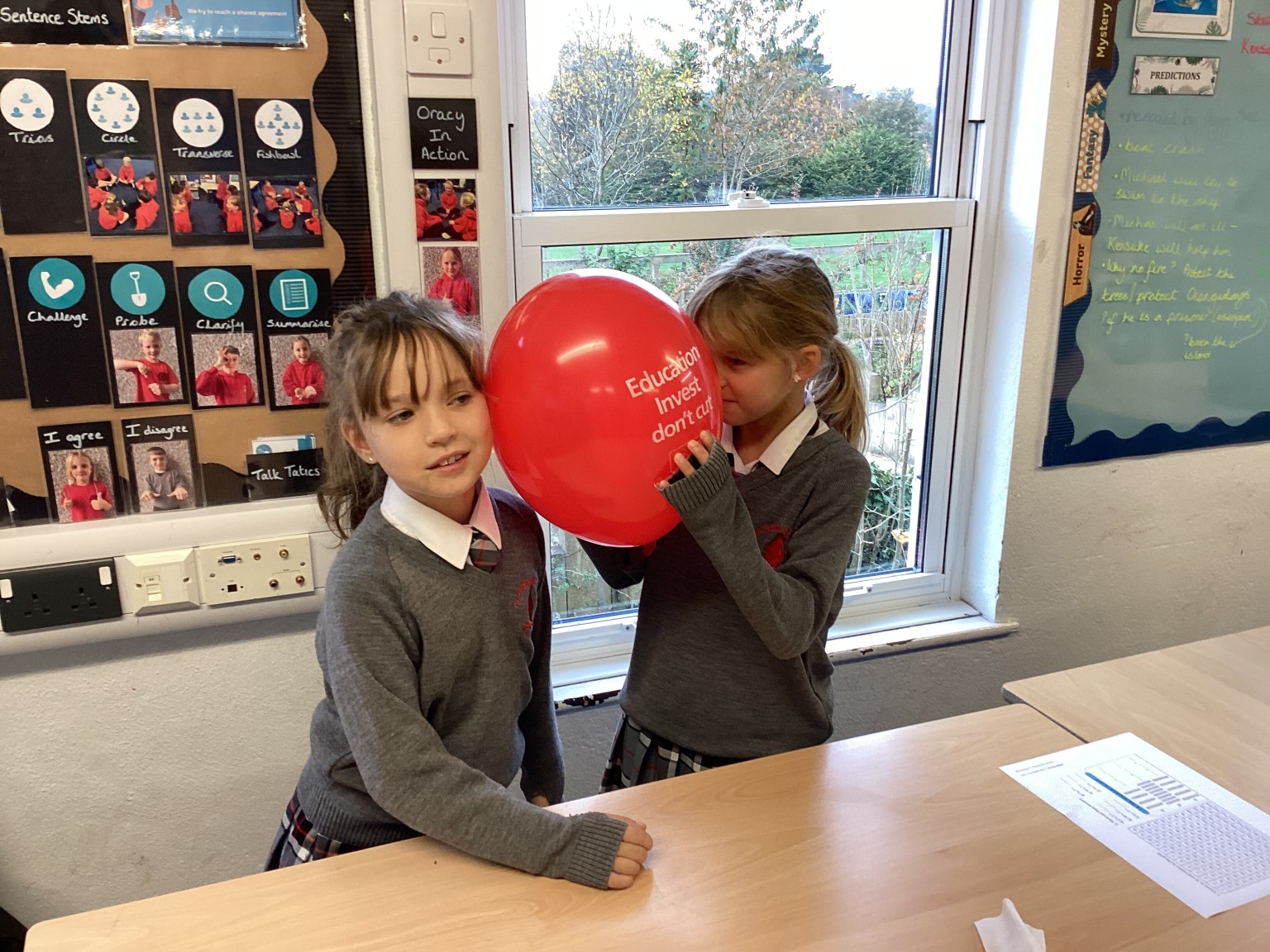
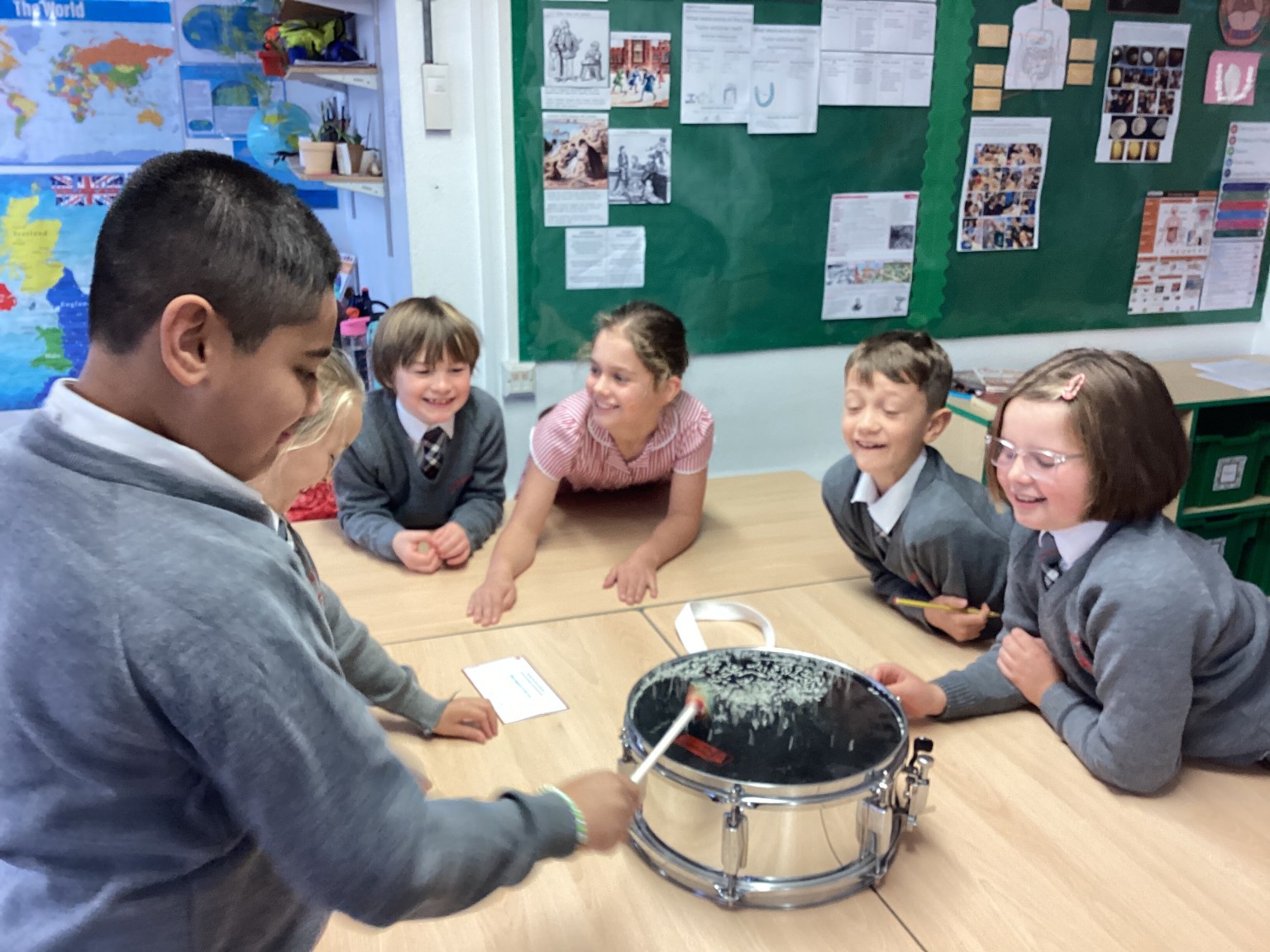
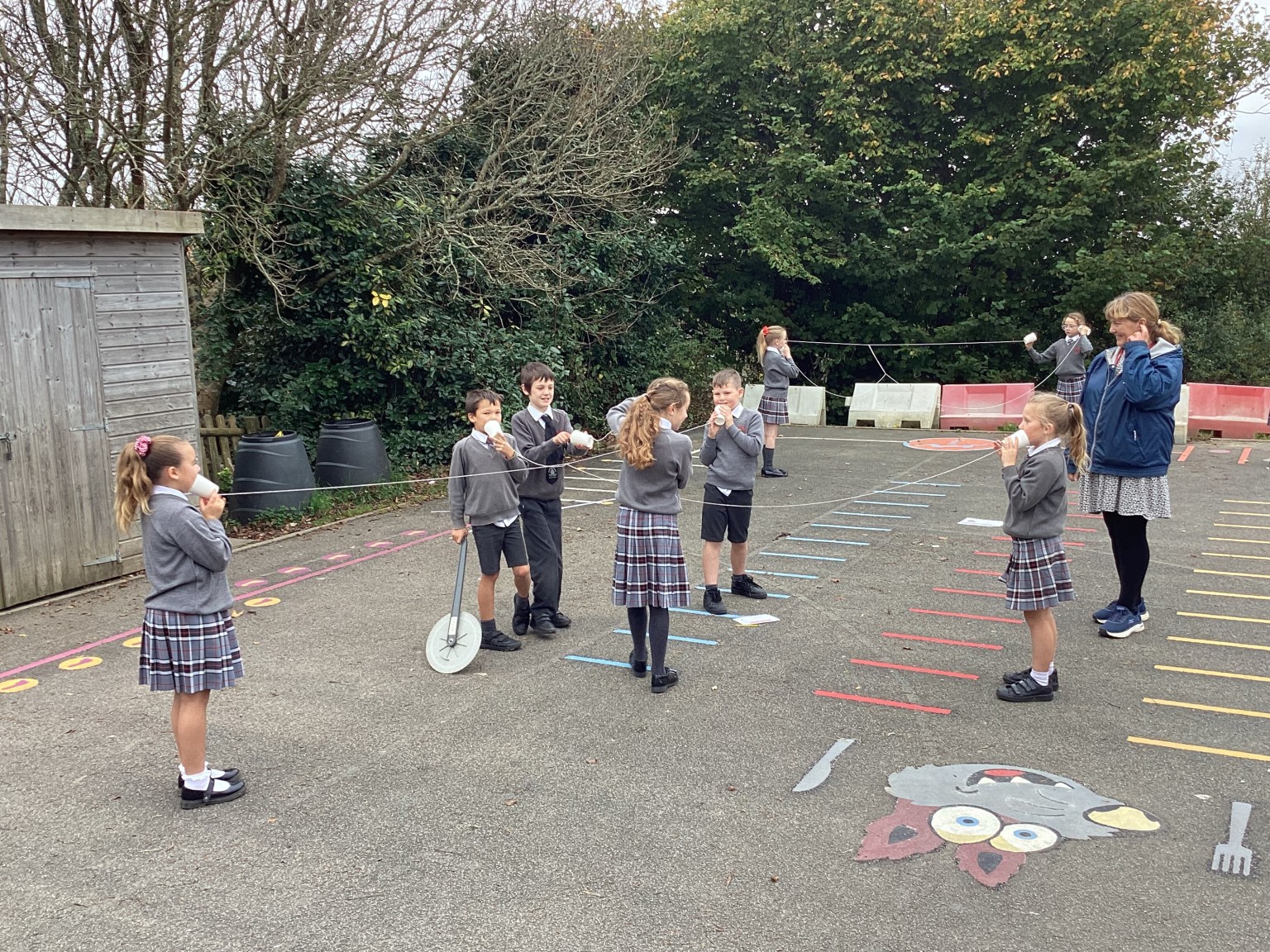
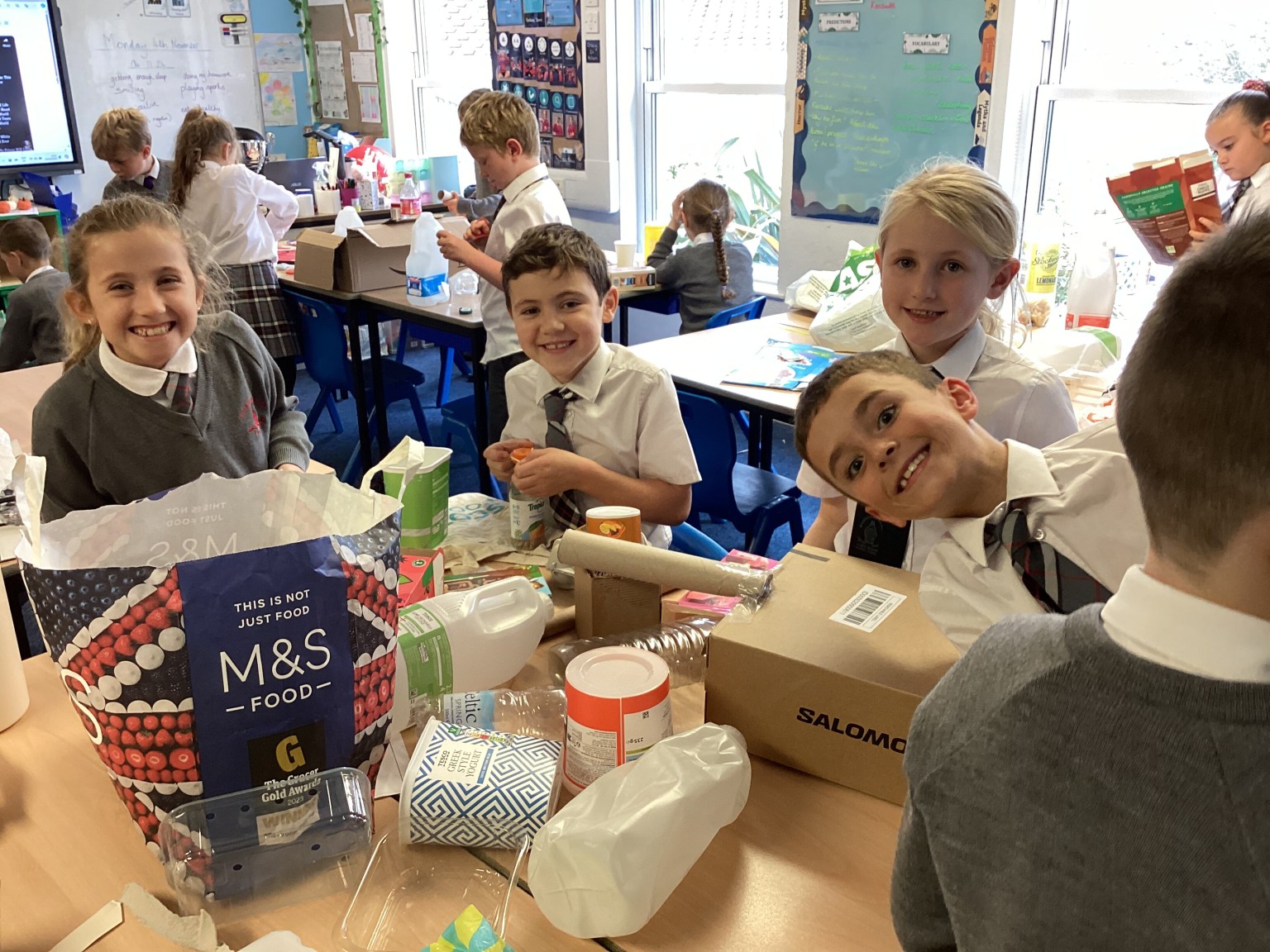
- Practical, Hands-On Experiences: Pupils learn through observation, experimentation and real-world exploration.
- Oracy Development: Children are immersed in scientific vocabulary and explicitly taught how to discuss, debate and justify their thinking. Structured talk opportunities, partner discussions and class presentations strengthen their ability to articulate scientific reasoning with confidence and clarity.
- Cross-Curricular Application: Pupils apply mathematical skills to collect, present and analyse data and use writing skills to record findings and write conclusions.
- Retrieval and Revisit: Prior learning is regularly revisited to embed understanding and strengthen long-term memory.
- Inclusive Practice: Lessons are carefully adapted to ensure all children can access the curriculum and succeed as scientists.
Impact
The impact of our Science curriculum is that pupils:
- Develop secure scientific knowledge that prepares them for the next stage of education and aligns with the expectations of the National Curriculum for England.
- Demonstrate strong enquiry skills, asking their own questions and confidently planning and carrying out investigations.
- Use scientific vocabulary accurately and communicate their ideas effectively through discussion, explanation and written outcomes.
- Make meaningful connections across subjects and apply their understanding to everyday life and personal wellbeing.
- Show curiosity, resilience and independence as learners.
- Understand the role science plays in shaping society and the future of our planet.
By the time pupils leave Archbishop Benson, they are equipped, not only with knowledge and skills, but with confidence, curiosity and the aspiration to continue their scientific journey - whether in secondary education, future careers in STEM or as informed, responsible people in an ever-changing world.